
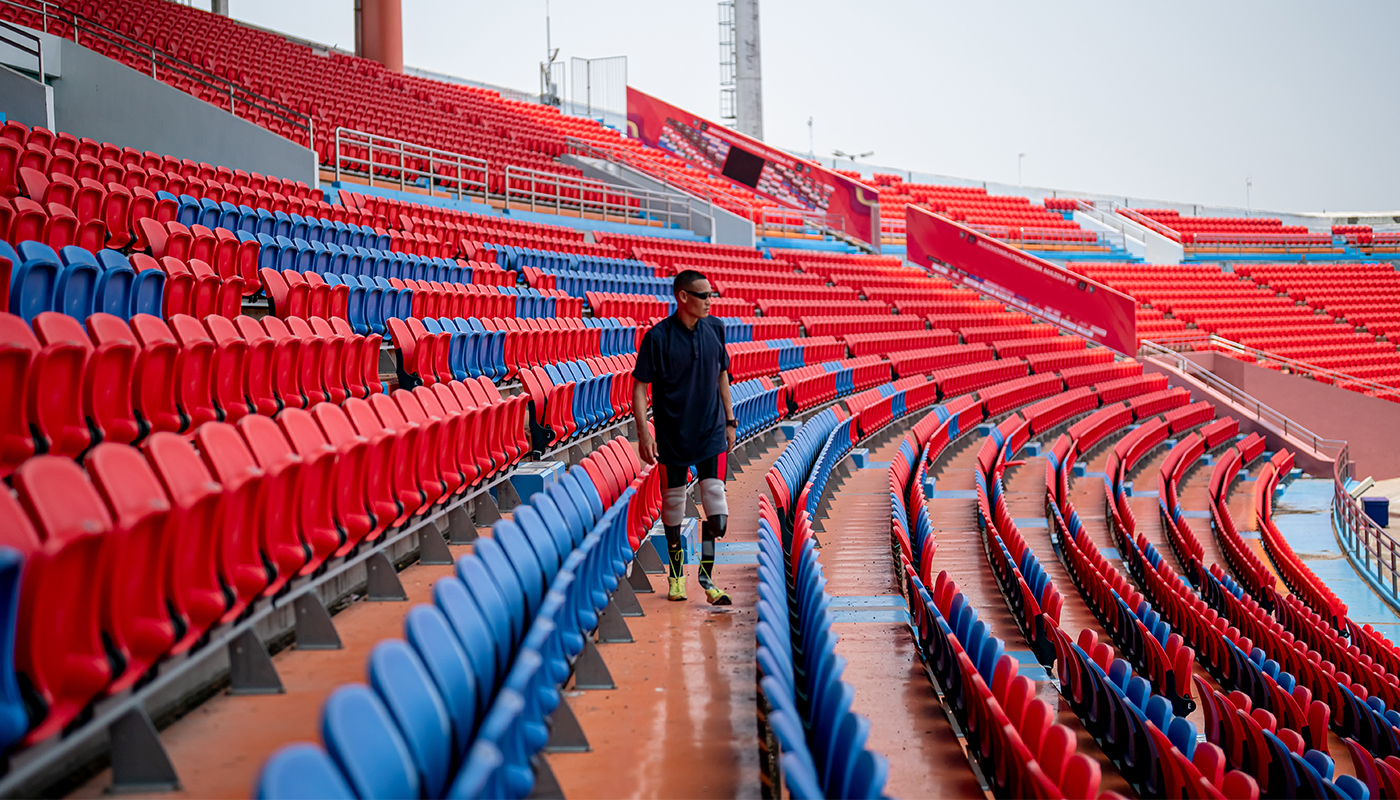
A stadium can be financed with private money, public money, or a combination of both. A stadium subsidy is defined as public assistance to a professional sports franchise for construction, renovation, maintenance, or operation of a facility. Governments can draw on direct payments, tax benefits, municipal bonds or infrastructure spending. The idea stays controversial because possible local benefits are compared with costs carried by taxpayers.
What a Stadium Subsidy Means
A stadium subsidy is financial help from the government for a sports venue connected with a professional franchise. Support may come from the city, state, or other public level. It can reduce how much the private organization must pay for building or operating the stadium.
Several forms are used. A government can provide money directly, improve roads or other infrastructure, reduce taxes, issue tax–free municipal bonds, or cover some operating costs. These methods are different in form, but all move part of venue cost toward the public side.
The practice became much more common in the United States after the middle of the twentieth century. Before the 1950s, professional stadiums were usually financed from private sources. Later, cities started to see stadium construction as one way to keep teams or attract them from another place.
Growth of Public Support
Between 1953 and 1970, 27 of 30 new stadiums received more than $450 million in combined public construction funding. This period helped make public support a normal part of many stadium projects.
Team relocation also changed negotiations. A franchise able to move to another city can ask local government for support and compare offers from different places. For cities that strongly want to keep a team, this creates pressure when stadium questions appear.
Main Types of Stadium Subsidy
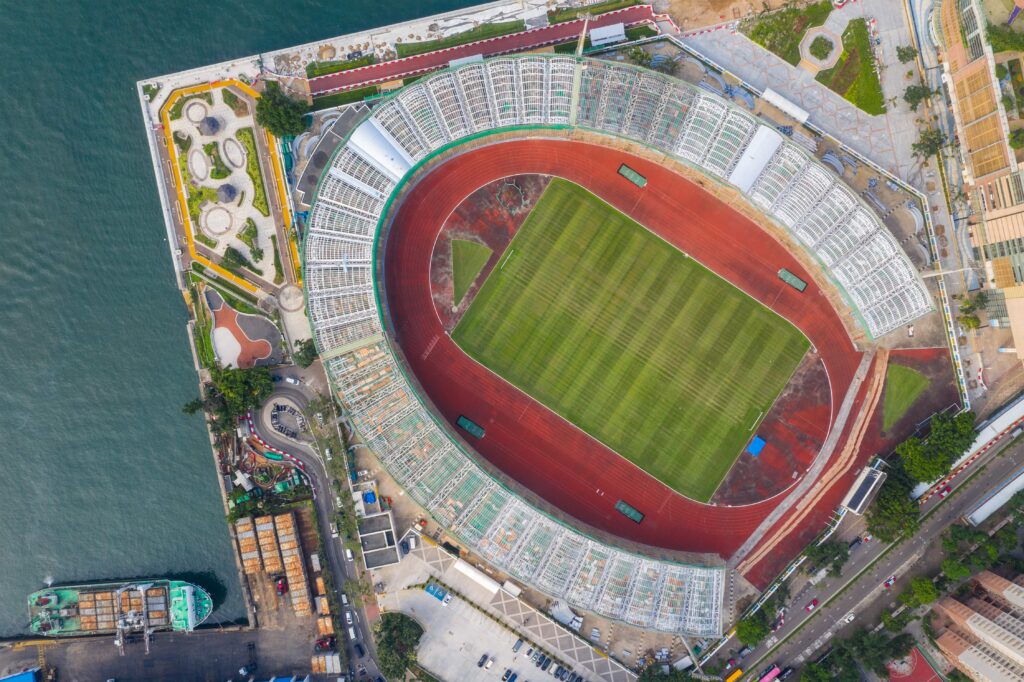
Direct subsidy is one common model. A city promises a certain amount of public revenue for construction, maintenance, or renovation. Another model gives tax breaks instead of direct cash. Over time, reduced taxes can create a financial value similar to a direct subsidy.
Public help can appear through several mechanisms:
- direct public money for construction or renovation
- long–term tax exemptions for a stadium or its owner
- tax–free municipal bonds used to finance the project
- public infrastructure improvements around the venue
- support for some operating and maintenance expenses
The total amounts can become large. A study covering 99 facilities used by four major United States leagues from 1990 to 2001 calculated about $17 billion in public subsidy, around $24 billion in 2018 dollars. Average annual support during that period was about $1.6 billion across all included facilities.
Stadium Subsidy in the United States and Europe
The use of public stadium money differs between North America and Europe. In the United States, professional teams often work inside closed leagues with a fixed number of franchises. Many cities may want a team, while only limited places are available inside a league.
That structure can give owners stronger bargaining power. If one city does not support a new venue, another city may become an alternative. The possibility of relocation can therefore become part of negotiations about public funding.
European leagues usually work differently. Promotion and relegation allow clubs to move between competition levels because of sporting results. Large cities also commonly already have clubs with long local connections. Moving a club to another city may be less practical and less accepted by supporters.
Why Europe Often Looks Different
Public subsidies for large stadiums and arenas are generally less common in Europe than in the United States. The relation between club and city is often more fixed, so relocation threats have a weaker effect.
League structure matters here. A club can reach a higher competition level through performance rather than buying a limited franchise place. Because many cities already support their own established clubs, another city may not offer the same easy alternative for relocation.
Claimed Benefits of Public Stadium Funding
Supporters of stadium subsidies argue that a new or improved venue can create positive effects for a city. Direct economic activity may come from parking, concessions, advertising, premium seating, rent, and other stadium spending.
Tourism and nearby business activity are also presented as possible indirect benefits. Visitors may spend money at restaurants, hotels, shops, or transport services. Supporters say this spending can create jobs and more tax revenue.
There are also benefits that are harder to measure. A professional team can give residents a civic pride and a common identity. Even if people aren’t going to the games, they can appreciate having the team in their city. In economic terms, this can be treated as a public benefit connected with the presence of the franchise.
Criticism of Stadium Subsidies
 Critics question whether stadium spending creates enough new economic activity. Money spent on tickets, food, or merchandise may simply replace money that residents would have spent on other local entertainment. If so, total local spending may not grow much.
Another concern is opportunity cost. Public money used for a stadium cannot at the same time be used for schools, public transport, police, fire services, or other public needs. The question is not only whether a stadium gives benefits, but also whether those benefits are larger than benefits from another use of the same money.
A further issue is where stadium revenue finally goes. Part of the money can leave the local economy through payments to sports organizations and highly paid employees. Public construction can also involve land acquisition and other changes that affect nearby residents or businesses.
For this reason stadium subsidy remains an economic and political argument rather than a simple development tool. Governments compare expected jobs, tourism, tax income, civic pride, and other gains against construction costs and lost alternatives. The final judgment depends on how these public and private effects are measured carefully.